The eight-legged vegetarian, called Bagheera kiplingi, lives in Central America, and is now considered a rarity among the world's 40,000 or so spider species, most of which are strictly predators, feeding on insects and other animals. B. kiplingi is about the size of a person's pinky nail.
"This is really the first spider known to specifically 'hunt' plants; it is also the first known to go after plants as a primary food source," said study researcher Christopher Meehan of Villanova University in Pennsylvania.
9 reasons why you should incorporate dandelions into your diet
#1. High in Calcium: Dandelion greens are loaded with calcium. Just one cup of chopped dandelion greens has 103 milligrams (10% of the recommended daily value) of calcium! That’s slightly more than kale!
#2. Rich in Iron: Next to fresh parsley, dandelion greens have a high iron content. One cup contains 1.7 milligrams of iron.
#3. Low Calories: Like all leafy greens, dandelions are low in calories. One cup of chopped dandelion greens has only 25 calories.
#4. Loaded With Antioxidants: Dandelion greens are high in vitamin A in the form of antioxidant carotenoid (beta-carotene) and vitamin C. Vitamin C also helps facilitate iron absorption.
#5. The Ultimate Detox & Cleansing Green: If your goal is detoxification and cleansing, dandelion greens should be the ones you use! They are said to help cleanse the liver and many detox recipes call for them.
#6. Lots Of Minerals: Dandelion greens are rich in minerals. Besides calcium and iron, they are a good source of copper (10% RDA), manganese (8% RDA), phosphorus (5% RDA), potassium (5% RDA) and magnesium (5% RDA).
#7. 14% Protein: Dandelion greens have more protein per serving than spinach. The greens themselves are 14% protein and contain all essential amino acids so it’s a complete protein. One chopped cup contains 1.5 grams of protein.
#8. Multivitamin Green: Besides vitamin A as beta-carotene (186% RDA) and vitamin C (21% RDA), each cup of chopped dandelion greens are also good sources of vitamins B1 (9% RDA), B2 (11% RDA) and B6 (11% RDA), vitamin E (13% RDA) and especially abundant in vitamin K (357% RDA).
#9. Health Benefits of Dandelion Greens: The nutrients in dandelion greens may help reduce the risk of cancer, multiple sclerosis, cataracts, age-related macular degeneration and stroke. Dandelion contains anti-inflammatory properties which may provide benefit to those with asthma and other inflammatory diseases.
How To Select And Store Dandelion Greens
While dandelion greens can be found at health food stores, co-ops and farmers markets, they are probably widely available during the spring and early summer months in your own backyard.
Select unblemished, dark green leaves or bunches when purchasing them in the store. When foraging, young greens that are harvested before the flower head appears will be less bitter.
Commercially cultivated dandelion greens may have whitish/green or red stems. The leaves are highly perishable. I store them in the fridge in a large plastic tub with a piece of paper towel to absorb excess moisture and condensation. They will keep for 2-4 days this way. If you store wet leaves in a produce bag, they will likely only last a couple days.
The dandelion greens that you find in the store are typically organic. If you forage for dandelion, be sure to harvest them from land that has not been treated with pesticides, herbicides or other contaminants. Avoid harvesting dandelion greens from urban or industrial waste lots as heavy metals (lead, mercury) and other pollutants in the soil might be absorbed into the plant.
 How To Use Dandelion Greens In A Green SmoothieDandelions are bitter, so it makes sense to blend them with fruit to mask the flavor. Blend the dandelion greens with sweet, flavorful fruit like banana, strawberries, mango, citrus and pineapple. If you are trying dandelion for the first time, start with a small handful or 1 cup of chopped leaves.
Here are some smoothie recipes that include your friendly neighbourhood weed courtesy of incredible smoothies.
Tip#1: Plan in advance
Plan your garden today to ensure summer success. Decide what you’d like to grow. How much space can you devote to the project? How much time are you willing to spend? Answering these questions will help you to determine your priorities.
For those with small spaces (or small ambitions), a container garden is an excellent choice. Containers can also supplement a traditional garden, providing a handy pot of herbs just outside the kitchen door, an experimental area for kids to grow their own produce, and allowing tender plants to be moved according to the season.
Others might consider building a raised bed to use for square-foot gardening. Square-foot gardening allows you to maximize food production in a minimum of space.
Tip#2: Start small
When planning your garden, it’s better to start too small than to start too large. In order to enjoy your garden, you must be able to control it. Don’t get too ambitious. It’s better to start small and to expand a little every year.
Tip#3: Choose productive plants
Some plants are more productive than others. If you want a rewarding, productive garden, do some research to find out what grows well in your area.
Tip #4: Share with others
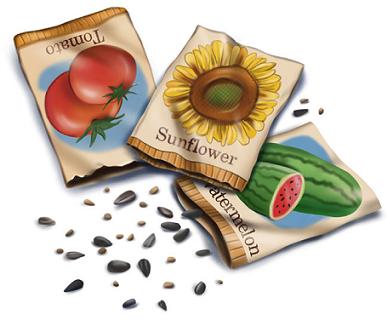
When you buy a packet of seeds, you generally receive more than you need. It’s fun (and frugal) to split the costs with others.
Also, share equipment with the neighbours. Careful borrowing and lending helps keep everybody’s costs down.
Tip #5: Buy quality tools
When you buy tools, it pays to purchase quality. Remember: thrift and frugality are about obtaining value for your dollar — not just paying the cheapest price.
Keep your eyes open at garage sales. Sometimes you can get great deals on quality stuff.
Tip #6: Read up on the subject
Your public library will have many books on the subject, some tailored to your location. There are also many excellent web sites that can help you get started. Here are some useful resources:
Books
•The Vegetable Gardener’s Bible by Edward C. Smith
•Square-Foot Gardening by Mel Bartholomew
•Crops in Pots by Bob Purnell
•The Bountiful Container by Rose Marie Nichols McGee and Maggie Stuckey
Websites
•You Grow Girl, a blog about gardening
•GardenWeb, “the internet’s garden and home community”
•Garden Guides: Guide to container gardening
•Journey to Forever: Building a square-foot garden
•Kitchen Gardeners International
Tip #7: Have fun!
Most importantly, have fun. Don’t make gardening into more work than it needs to be. Your garden doesn’t need to be perfect. It’s great if you’re able to achieve a substantial return on your investment, but it’s also okay if you lose a little money. (You don’t want to lose a lot of money, though)
Pick a favourite fruit or vegetable, plant a few seeds, and have fun watching them grow to maturity. Make it a family thing.
Tips courtsey of getrichslowly